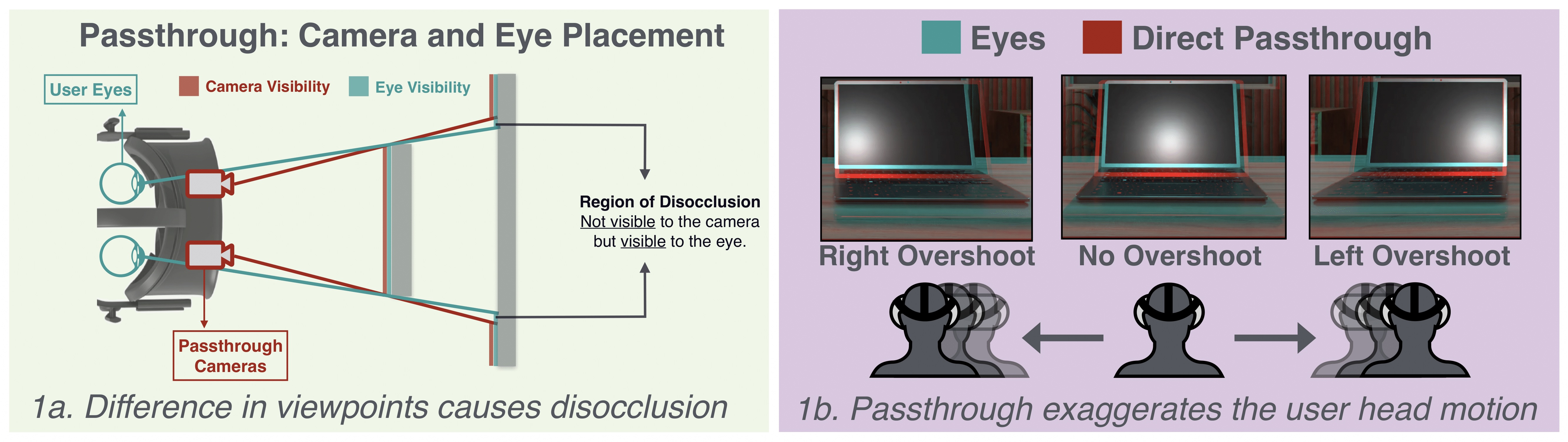
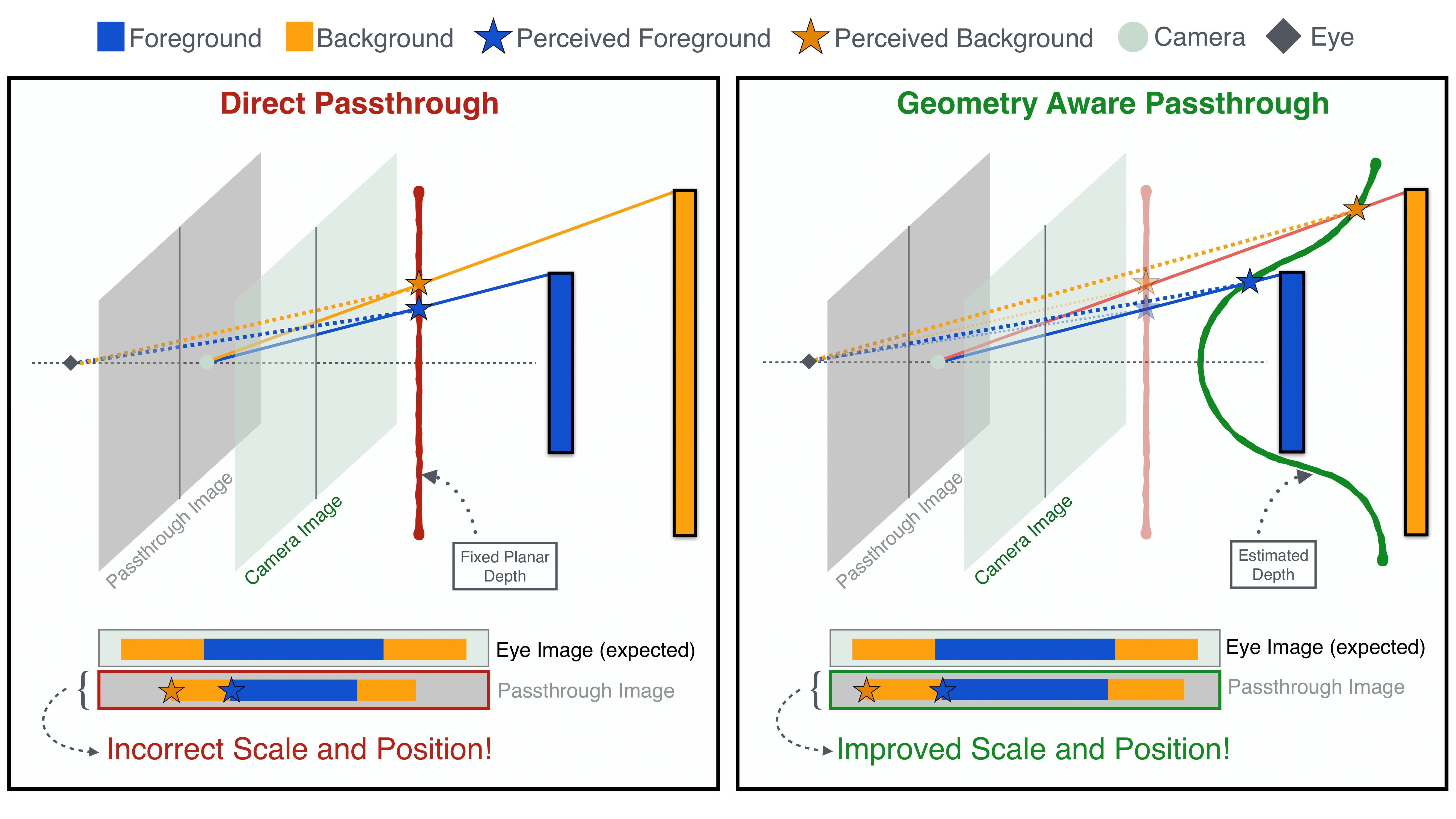
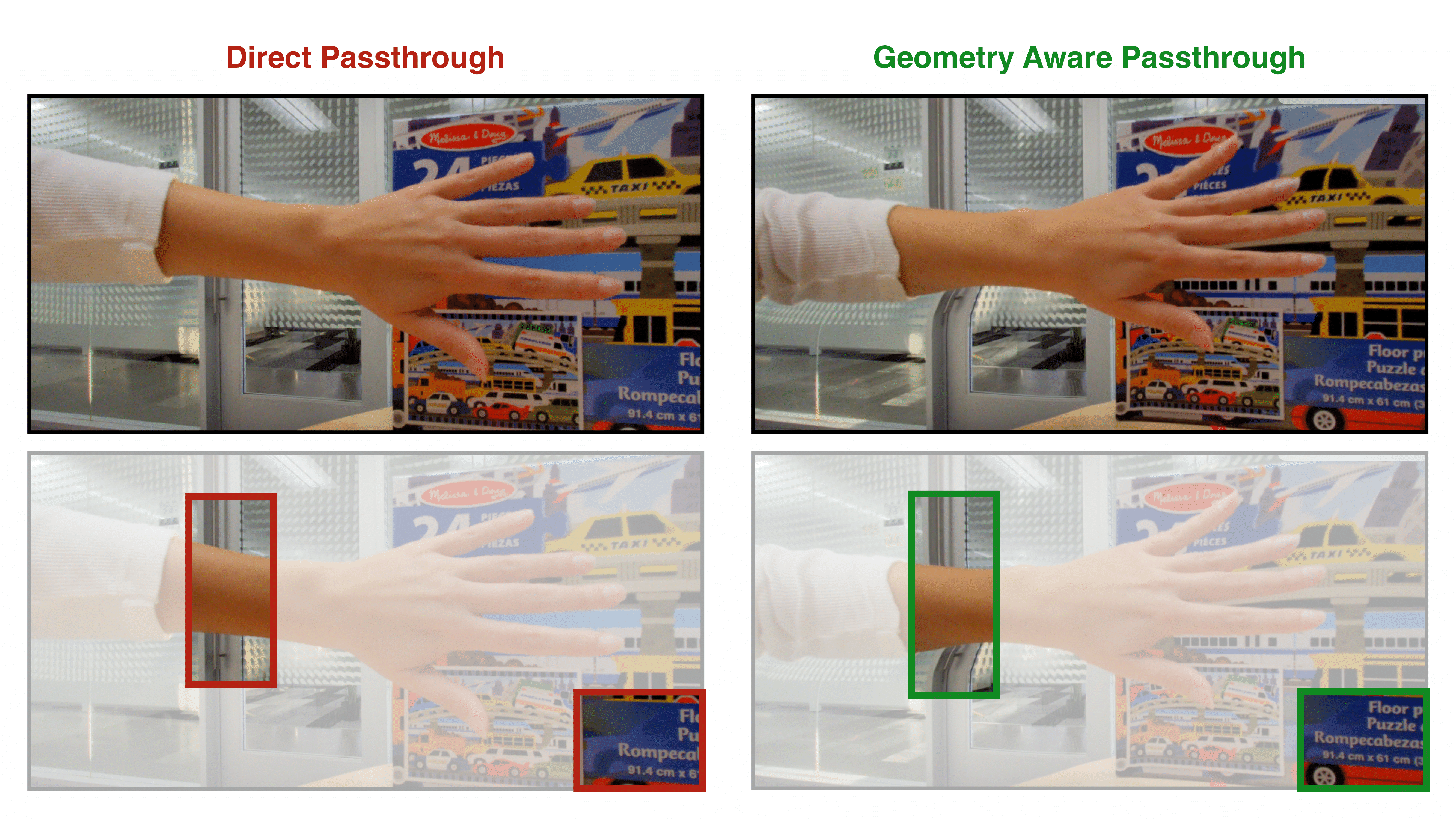
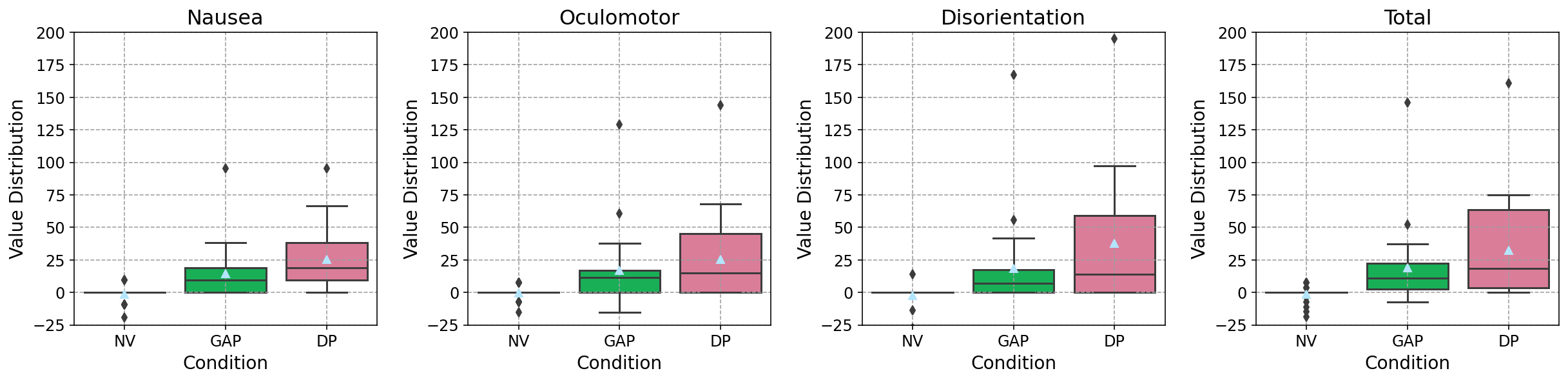
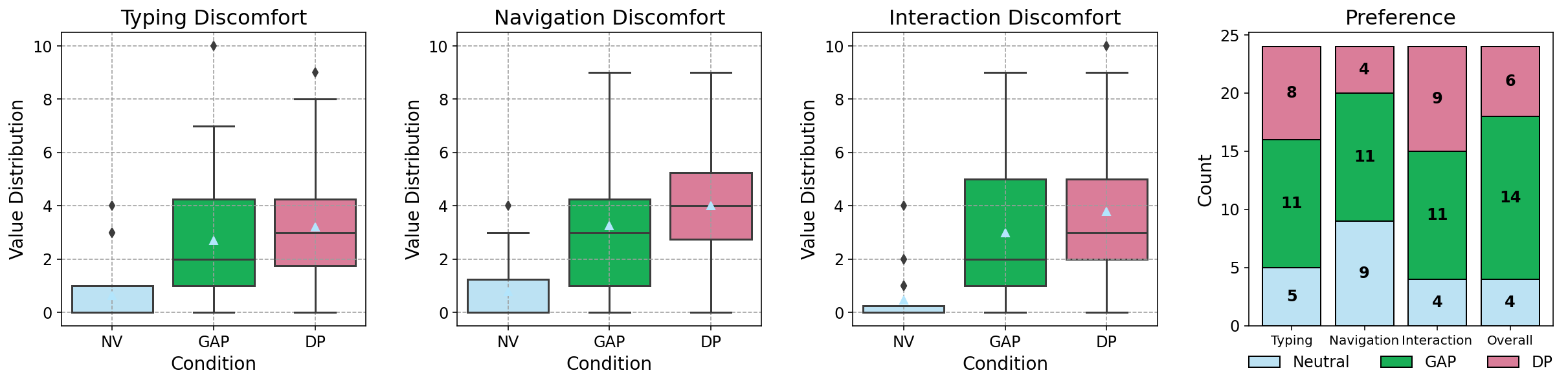
Virtual Reality headsets isolate users from the real-world by restricting their perception to the virtual-world. Video See-Through (VST) headsets address this by utilizing world-facing cameras to create Augmented Reality experiences. However, directly displaying camera feeds can cause visual discomfort and cybersickness due to the inaccurate perception of scale and exaggerated motion parallax. This paper presents initial findings on the potential of geometry aware passthrough (GAP) systems to mitigate cybersickness through enhanced depth perception. We introduce a promising protocol for quantitatively measuring cybersickness experienced by users in VST headsets. Using this protocol, we conduct a user study to compare direct passthrough (DP) and geometry aware passthrough systems. To the best of our knowledge, our study is the first one to reveal reduced nausea, disorientation, and total scores of cybersickness with geometry aware passthrough. It also uncovers several potential avenues to further mitigate visually-induced discomfort.
@inproceedings{10.1145/3706599.3720163,
author = {El Chemaly, Trishia and Goyal, Mohit and Duan, Tinglin and Phadnis, Vrushank and Khattar, Sakar and Vlaskamp, Bjorn and Kulshrestha, Achin and Turner, Eric Lee and Purohit, Aveek and Neiswander, Gregory and Tsotsos, Konstantine},
title = {Mind the GAP: Geometry Aware Passthrough Mitigates Cybersickness},
year = {2025},
booktitle = {Proceedings of the Extended Abstracts of the CHI Conference on Human Factors in Computing Systems}
}To Abhishek Kar for his guidance during ideation of this work.